How a Comedy Night Gets Built Before the Doors Open
Most of the work that shapes a comedy night happens days or weeks before a single audience member walks through the door. The booker – the person responsible for filling the calendar – is making calls, checking availability, and quietly deciding who gets stage time and who doesn't.
How the Calendar Gets Filled
Weekends sell themselves. A Friday or Saturday headliner show with a recognizable name draws walk-ins, tourists, and casual fans without much effort. Dead nights are a different story. Tuesdays and Wednesdays often get turned into open mics, bringer shows, or showcases – formats that cost the club almost nothing to produce. A bringer show, for the uninitiated, means comics are expected to bring paying guests. No guests, no stage time. It's transactional, and clubs lean on it because it fills seats on slow nights without any marketing spend.
Special events – a New Year's show, a themed showcase, a local celebrity appearance – get dropped into the calendar strategically to spike ticket sales during otherwise flat periods.
Building the Lineup
There's a real logic to how a lineup gets assembled, and talent is only part of it. Every show typically runs with an MC, a feature act, and a headliner. The MC opens the night, warms the room, handles crowd work, and keeps transitions tight. The feature – sometimes called the middle act – performs for around 20 minutes and bridges the gap before the headliner closes. Each role requires a different skill set.
Bookers think about reliability first. A comic who kills every time but cancels twice a year is a liability. Local draw matters too. If a feature act has 4,000 Instagram followers in the same city as the club, that's a real consideration.
Pay reflects the hierarchy. Headliners might earn a flat fee of $1,500 to $5,000 for a weekend run. Feature acts often get a door deal or a modest flat rate. Open mic spots are usually unpaid. The lineup, more often than people realize, is shaped as much by budget as by who's funniest.
Ticketing, Seating, and the Quiet Math of Filling a Room
Once a show goes on sale, the club's real juggling act begins. Tickets are only part of it. What actually fills a room – and keeps it feeling alive – involves a set of decisions most audience members never notice.
Advance Sales, Walk-Ins, and the Guest List Game
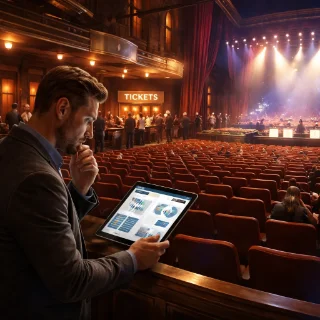
Most clubs use ticketing platforms like Eventbrite or their own box office software to track advance sales, but walk-ins are still a meaningful revenue stream. A booker watching Tuesday night sell only 40 of 120 seats by Friday afternoon has a problem. Walk-ins might rescue the number, or they might not show. That uncertainty shapes everything from how many staff get scheduled to whether the opener gets bumped.
Guest lists complicate things further. Comps – complimentary tickets handed out to industry people, friends of the headliner, or loyal regulars – don't generate ticket revenue, but they do fill seats. A full room laughs harder than a half-empty one, and that energy matters for the performer. Some clubs charge a two-drink minimum even for comped guests, which is how they claw back some of that lost income.
Why the Seating Chart Is Actually a Strategy
There's a reason the host or door staff clusters early arrivals toward the front and center rather than letting people scatter. Empty pockets of chairs kill a room. A comedian looking out at gaps between groups starts working harder to connect, and that desperation is contagious in the worst way.
Clubs often hold back a handful of tables near the sides or rear. Those get released for latecomers, VIPs, or the occasional double-booking disaster. Overselling happens more than clubs admit – they bank on a predictable no-show rate, usually around 10 to 15 percent, but when that math fails and 115 people show up for 100 seats, someone's night gets ugly fast.
Seating isn't just logistics. A tightly packed front section generates momentum. Laughter is partly social – people feed off each other – and a comedian who opens to a warm, dense crowd has a genuinely easier job than one staring at a checkerboard of isolated tables.
Why Food and Beverage Service Often Runs the Show
Ticket sales look like the main event, but most comedy clubs would struggle badly without the bar. Drinks and food are where the real margin lives, and every decision about how a night runs – from seating time to show length – gets filtered through that reality.
The staff running a typical comedy night know this better than anyone. Here's how the operation actually holds together behind the scenes.
The Two-Drink Minimum Is Not Just a Policy
Walk into most clubs and you'll see it printed on the ticket or posted near the door: a two-drink minimum per person. That's not a quirky tradition. It's a revenue floor. A 200-seat room selling tickets at $20 each generates $4,000. Add two drinks per person at $10 average and that number jumps to $8,000 before anyone orders a second round. The math is straightforward. The club needs the bar to survive.
Timing Service Around the Jokes
Bartenders move fast before the lights dim. Servers take orders during the MC's opening remarks, not mid-set. The floor manager watches the room like a hawk, deciding when it's loose enough to allow a check drop and when the crowd is locked in and any movement will cause friction. A comedian hitting their stride at the ten-minute mark is not the moment to send someone across the floor with a tray. Most experienced servers know this instinctively. Newer ones get told quickly.
Kitchen timing is its own puzzle. Hot food going out during a quiet moment between acts is fine. The same order arriving during a punchline – with plates clattering and a server apologizing – can kill a laugh that took three minutes to build.
When Great Comedy Still Means a Bad Night
There's no denying the tension here. A headliner can have the room howling for forty-five minutes straight, and the general manager might still walk away disappointed if bar sales were soft. Some clubs track revenue per seat per hour. A quiet, attentive crowd that nursed one drink through the whole show is a problem, regardless of how many people left happy. That's the uncomfortable truth nobody mentions in the reviews.
What Has to Go Right Once the Show Starts
Before a single joke lands, a lot of invisible work has already happened. The hour before doors open is when the night either gets set up for success or quietly starts falling apart.
The Pre-Show Setup Nobody Sees
Sound check is not optional, even though some clubs treat it that way. The sound engineer runs each mic through the PA, checks for feedback, and sets levels for the room. A comedy club is different from a music venue – the voice is the instrument, and any distortion or drop in volume reads immediately to an audience. Lighting gets set too: a tight spot on the stage, house lights dimmed but not black, so the crowd can still see each other laugh. That matters more than people realize. Laughter is social. If the room feels like a cave, the audience goes quiet.
The Running Order and Why It's Fragile
Every comedy night runs on a specific structure, and each role in that structure carries real responsibility. The MC opens the show, reads the room, and essentially warms up a group of strangers who may have just ordered their first drink. A good MC can pull a cold crowd into the show within five minutes. A weak one leaves the opening act walking into silence.
Opening acts typically do ten to fifteen minutes. Their job is to build energy without burning through the best material – that belongs to the headliner. Transitions between comics need to be fast. Thirty seconds of dead air is enough to lose a room.
When Things Go Wrong Mid-Show
Drunk hecklers, a mic cutting out, a weak Tuesday crowd that barely filled the first two rows – these happen constantly. The booth staff and floor manager are watching all of it. If a set runs long, the manager signals from the back. Most clubs use a light system: a small red or green cue visible only to the performer. The headliner almost never gets cut short, so time gets shaved from earlier in the night. That means the MC might drop a bit, or an opening act gets a quiet word before they go on. From the audience side, none of this is visible. That's the whole point.
How Staff Coordination Keeps the Room Under Control
A comedy club can have a strong lineup, a full audience, and a well-stocked bar and still have a rough night if the staff aren't communicating. Most of the problems that affect a live show happen quickly, so there is rarely time for a long discussion once the room is full. Door staff, servers, bartenders, managers, technicians, and the MC all need to know what is happening without disrupting the performance.
Much of that coordination comes down to simple routines established before the doors open. Staff are briefed on the expected crowd, special guests, running order, seating changes, and anything unusual about the night's schedule. Once the show starts, communication becomes quieter and more deliberate.
- Door staff manage the flow of arrivals. They check tickets, handle late guests, explain seating policies, and alert the floor manager when a large group or unexpected walk-in could affect capacity.
- Servers watch more than drink orders. Because they move through the room constantly, they are often the first people to notice an overly intoxicated guest, a disruptive table, or someone recording the performance despite club rules.
- The floor manager connects the room to the stage. If service is running behind, a guest needs to be removed, or the show is slipping off schedule, the manager decides how to respond without pulling attention away from the comedian.
- Technical staff stay ready for immediate fixes. A microphone failure, lighting problem, or unexpected audio issue has to be corrected within seconds. Even a short technical interruption can break the rhythm of a set.
- The MC absorbs schedule changes. If an act is late or another comic runs long, the MC may extend a transition, shorten material, or adjust the introduction so the audience never realizes anything changed.
The strongest clubs make this coordination almost invisible. Guests should not hear staff debating seating arrangements or see managers rushing across the room during a set. When everyone understands their role, problems get handled quietly and the audience is left with the impression that the evening simply ran according to plan.
The Best Nights Look Easy Because They Rarely Are
A smooth comedy night depends on far more coordination than the audience usually sees. Booking the lineup is only the beginning. Ticket prices, seating plans, kitchen timing, sound checks, late arrivals, and staffing all have to work together. Servers double as crowd managers, while the MC keeps the show moving and adjusts between sets when needed. Ticketing can change at the last minute if sales are slow or guest lists shift. What feels spontaneous on stage is supported by careful planning behind the scenes. That structure gives comedians room to improvise and helps the entire night feel effortless for everyone.